

Leadership struggles rarely stem from lack of competence—they stem from lack of congruence.
Leadership struggles rarely stem from lack of competence—they stem from lack of congruence.
About
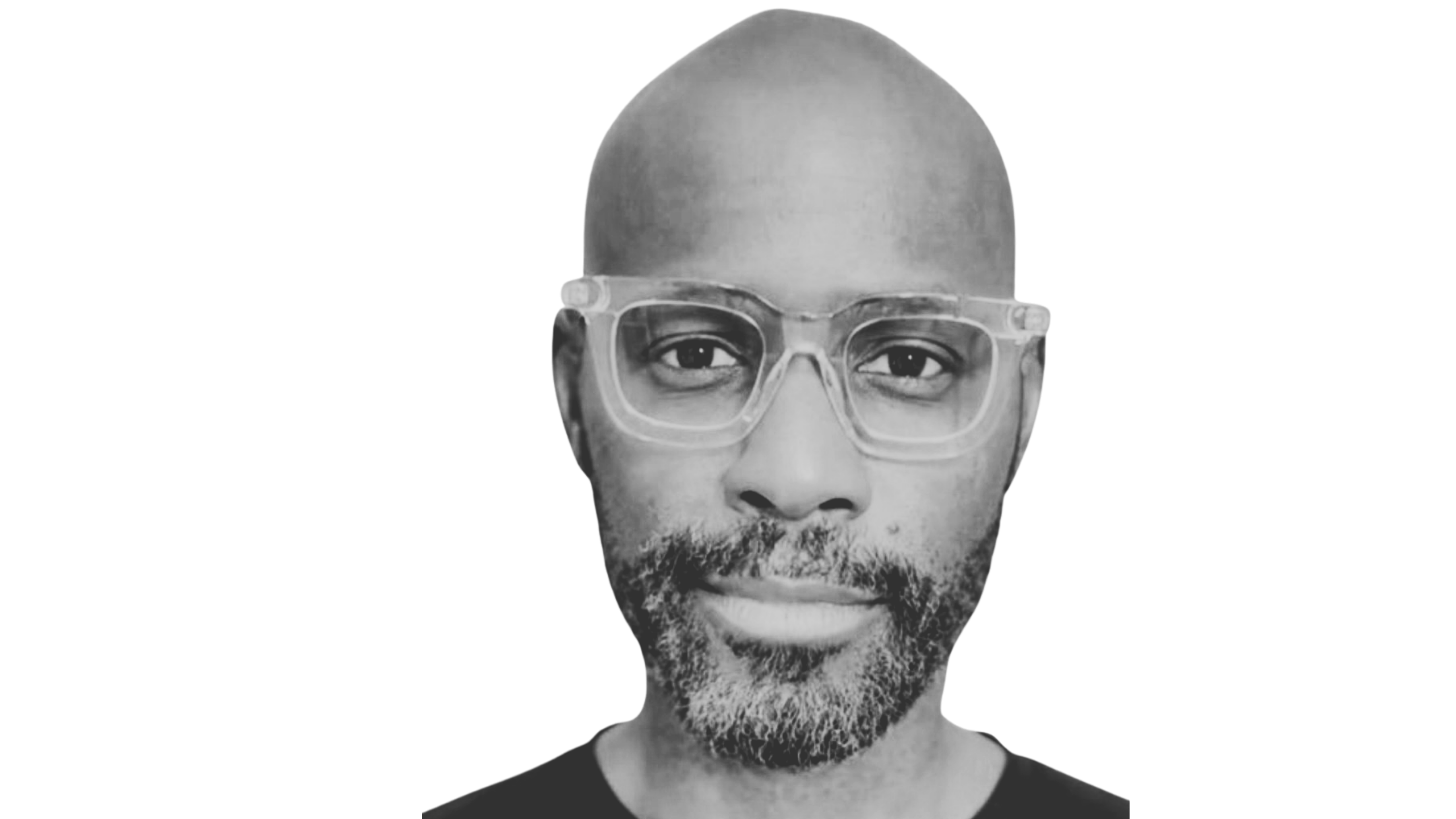
Dr. Shelby M. Hill
For twenty years, I’ve sat across from executives who’d mastered strategy, operations, and results. But they’d call me with the same frustration: “I think I’m successful, but this leadership stuff sometimes feels like I have to be someone I’m really not.”
Whoa.
They were building companies, hitting targets, getting promoted. Yet something felt off. They were effective, but it was exhausting. Their teams respected them, but the connection felt forced. Success felt imposter-ish.
I kept seeing the same pattern: capable people trying to lead like someone else.
After hundreds of these conversations, I started paying attention to something most leadership development ignores: the space between who you are and how others experience your leadership. My background in management education gave me the tools to investigate what I was seeing, but it was the conversations themselves that revealed the real pattern.
That gap is real. And it’s costing you more than you think.
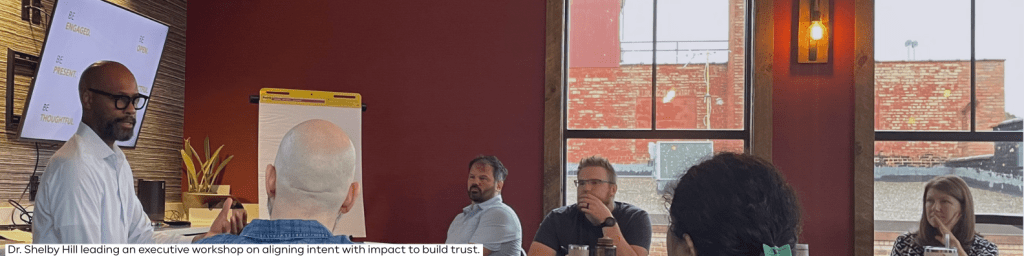
When your intent doesn’t match your impact, people notice. They just don’t tell you. Teams get confused about what you actually want. Culture becomes accidental. You work harder for the same results.
I call this the leadership congruence problem. Leadership Congruence is when who you are and how you lead actually sync up.
Here’s what I’ve learned: we still promote people for performance, not for their ability to lead others. Then we hand them generic leadership training and hope it sticks.
It doesn’t.
Because effective leadership isn’t about adding more skills and certifications to who you are (not that there’s anything wrong with that!). It’s about leading from who you are.
When you try to lead like someone else, you create unpredictability. Your team never knows which version of you is walking into the room. You exhaust yourself maintaining a performance that doesn’t feel natural.
The solution isn’t more training. It’s closing the gap between your intent and your impact.
I developed the Congruence Compass™ to help leaders find their natural leadership expression. Not the one they think they should have—the one that actually works for them.
When you get this right, your teams know what to expect from you. Conversations get clearer because your intentions translate into the impact you want. You stop working so hard to be effective because you’re operating from strength, not performance.
Let me be crystal clear—this isn’t about becoming perfect. It’s about becoming consistent in the best way.
Individual change is powerful, but it’s not enough. I work with organizations because leadership congruence has to be supported, not just developed.
Through Next Leader Up, I help at four levels:
- Individual coaching using the Congruence Quotient assessment to identify where your intent and impact disconnect
- Team development that helps leadership groups operate with shared clarity about who they are and how they show up
- Organizational assessment that reveals where company culture and leadership behavior are mismatched
- Sustained partnership for executives ready to embed this work into how their organizations actually function
If leadership sometimes feels harder than it should, if your influence feels forced, if you’re successful but somehow disconnected from your own work—there’s likely something here worth exploring.
You don’t need to become someone else to lead well. You just need to stop leaving pieces of yourself outside the room.
The most effective leaders I work with aren’t the most charismatic or the smartest. They’re the ones whose teams can count on how they’ll show up, because their leadership comes from who they actually are.

Ready to explore this? Email me at hello@nextleaderup.com or connect with me on LinkedIn.